EAACI Anaphylaxis Awareness Day 2026: Know the signs, Take action.

Anaphylaxis can develop rapidly and requires immediate action. Recognising the signs is essential, but knowing what to do next can save a life.

On 21 November, join EAACI for the third edition of EAACI Anaphylaxis Awareness Day and help transform awareness into preparedness across homes, communities, healthcare settings and institutions worldwide.

From awareness to preparedness

EAACI launched Anaphylaxis Awareness Day in 2024 to improve global understanding of anaphylaxis and encourage timely, effective action.

Now in its third edition, the campaign continues to bring together patients, families, healthcare professionals, patient organisations, institutions and policymakers around a shared goal: ensuring that everyone is prepared to recognise anaphylaxis and respond when every second counts.

In 2026, the campaign focuses on practical preparedness: before, during and after an anaphylactic emergency.

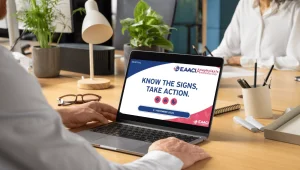
Watch: Be Ready. Every Second Counts.

Anaphylaxis may happen unexpectedly, but preparation can make all the difference.

EAACI’s new animated educational video explains how to recognise possible signs of anaphylaxis, why immediate action is essential and how individuals, healthcare professionals and institutions can help create safer environments.

Watch it. Share it. Help someone be ready.

Learn and Share

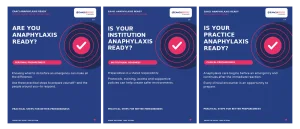
Explore the 2026 Educational Carousels

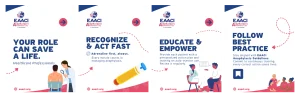
These short, visual resources provide clear and practical information about anaphylaxis preparedness. View, download and share the carousel created for your audience.

Patients, Families and the General Public

Would You Be Ready?

Learn how to prepare for an anaphylactic emergency, keep your emergency plan and prescribed medication accessible, and help the people around you understand how to respond.

Healthcare Professionals

Anaphylaxis Care: Before, During and After

Explore key actions supporting anaphylaxis preparedness across the complete patient pathway—from risk assessment and patient education to emergency management and follow-up.

Healthcare Institutions and Policymakers

Is Your Institution Anaphylaxis Ready?

Discover how clear protocols, staff training, timely access to emergency medication and effective organisational policies can contribute to safer, better-prepared environments.

When Anaphylaxis Strikes

Three stories. Three triggers. One urgent need to act.

Anaphylaxis can happen in different places, affect people of any age and be triggered by different allergens. These three illustrated scenarios show how quickly an ordinary situation can become an emergency, and how preparation, recognition and immediate action can make a difference. The stories are fictional and have been created for educational purposes.

Sofia’s Story: A Bee Sting in the Park

A walk in the park takes an unexpected turn when Sofia, who has a known allergy to bee venom, is stung by a bee. Discover how recognising the warning signs, keeping medication accessible and ensuring that someone nearby knows the emergency action plan can support a rapid response.

Daniel’s Story: A Reaction to Medication

Shortly after receiving medication at a healthcare facility, Daniel develops symptoms that may indicate anaphylaxis—even though he has never previously experienced an allergic reaction to the medication. See how trained professionals, accessible emergency resources and a clear clinical protocol support coordinated action.

Leo’s Story: An Unexpected Milk Exposure

At a birthday party, seven-year-old Leo accidentally eats a dessert containing milk. Learn how clear communication, an accessible emergency action plan and prepared adults help those around him recognise the signs and act without delay.

Put Preparedness into Practice

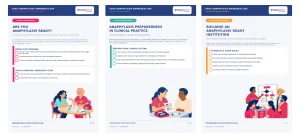
Explore the 2026 Preparedness Checklists

An effective response to anaphylaxis does not begin when an emergency happens—or end when the immediate reaction has been treated.

EAACI’s new checklists help individuals, healthcare professionals and institutions assess their current preparedness and identify practical actions they can take before, during and after an anaphylactic emergency.

  • Before: Understand individual risks, establish an emergency action plan, ensure that prescribed medication is accessible and help the people around you know how to respond.
  • During: Recognise possible anaphylaxis, follow the individual emergency action plan, administer adrenaline promptly when indicated and contact emergency medical services.
  • After: Ensure appropriate medical assessment and follow-up, review what happened and update the individual’s prevention and emergency-management plan.

Patients, Families and the General Public

My Anaphylaxis Preparedness Checklist

Are you prepared to respond if anaphylaxis happens?

Use this checklist to review your emergency plan, prescribed medication, support network and follow-up care—and identify any areas where you may need further guidance from your healthcare professional.

Healthcare Professionals

Anaphylaxis Preparedness in Clinical Practice

Is your clinical setting prepared to recognise and manage anaphylaxis?

Use this checklist to review emergency protocols, staff readiness, access to medication and equipment, patient education, clinical management and follow-up.

Healthcare Institutions and Policymakers

Building an Anaphylaxis Ready Institution

Is your organisation equipped to respond to an anaphylactic emergency?

Use this checklist to assess policies, staff training, access to emergency support, allergen-management procedures, communication and processes for learning after an incident.

Help create an Anaphylaxis Ready community

Every individual and organisation can contribute to safer, better-prepared communities.

On 21 November:

  • Share EAACI’s educational video
  • Download and distribute the campaign materials
  • Review your emergency plan or institutional protocol
  • Organise an awareness or training activity
  • Translate and adapt campaign materials for your community
  • Share your activity using #WorldAnaphylaxisDay

Promotional and collaboration kits

Amplify the campaign through your organisation and networks.

The EAACI Anaphylaxis Awareness Day 2026 Promotional Kit includes ready-to-use materials for websites, newsletters and social media.

National Allergy and Immunology Societies, patient organisations, universities, healthcare institutions and other participating organisations can also use the Collaboration Kit to personalise selected resources and translate them into local languages.

Continue learning

“Triggered: The Reality of Anaphylaxis”

Discover EAACI’s documentary exploring the experiences of patients, caregivers and healthcare professionals living and working with anaphylaxis.

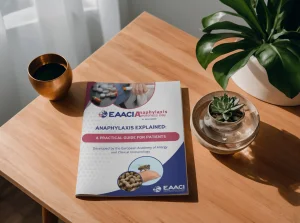
EAACI Anaphylaxis Patient Guide

Access practical, evidence-based information about recognising, preventing and managing anaphylaxis.

Previous campaign editions

Explore the 2024 and 2025 editions of EAACI Anaphylaxis Awareness Day and revisit the resources and activities that helped build our shared commitment to anaphylaxis awareness. Continue learning and sharing to keep the message alive beyond 21 November.